PinnedFoundry·July 13, 2026
Foundry and ScottyLabs
Why ScottyLabs runs Foundry.
by Theo Urban·1 min read
The blog
Essays, reflections, and lessons from inside the accelerator.
Why ScottyLabs runs Foundry.
A look into 996 Ventures: Documenting the Obsessed Few
A learning document from the first year of ScottyLabs Foundry
Carnegie Mellon's premier startup accelerator for serious founders.
Carnegie Mellon's First Student-Led Startup Accelerator.
AI is now. Robotics is next.
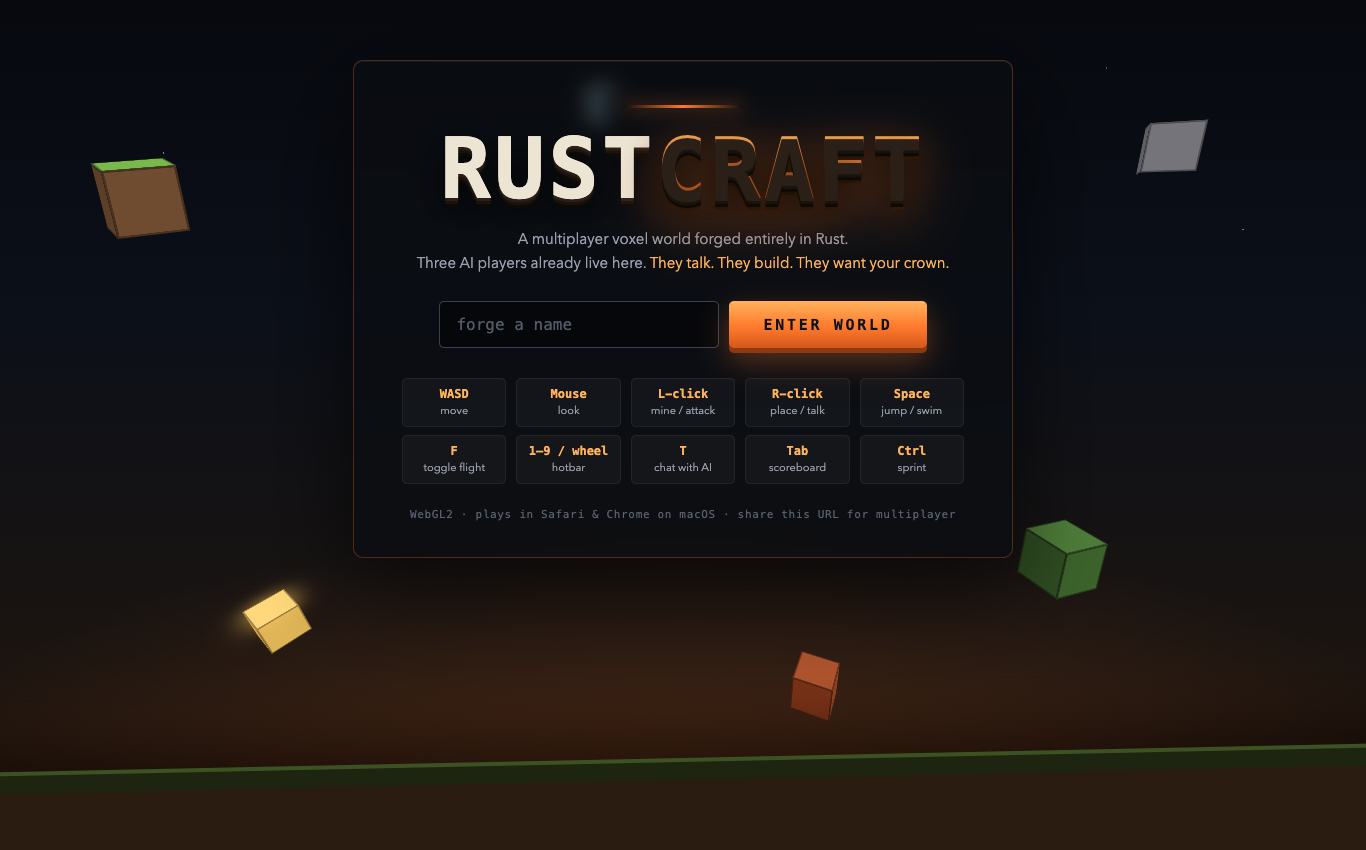
The most honest benchmark for a frontier model is not a test score. It is what one person can ship in a day.
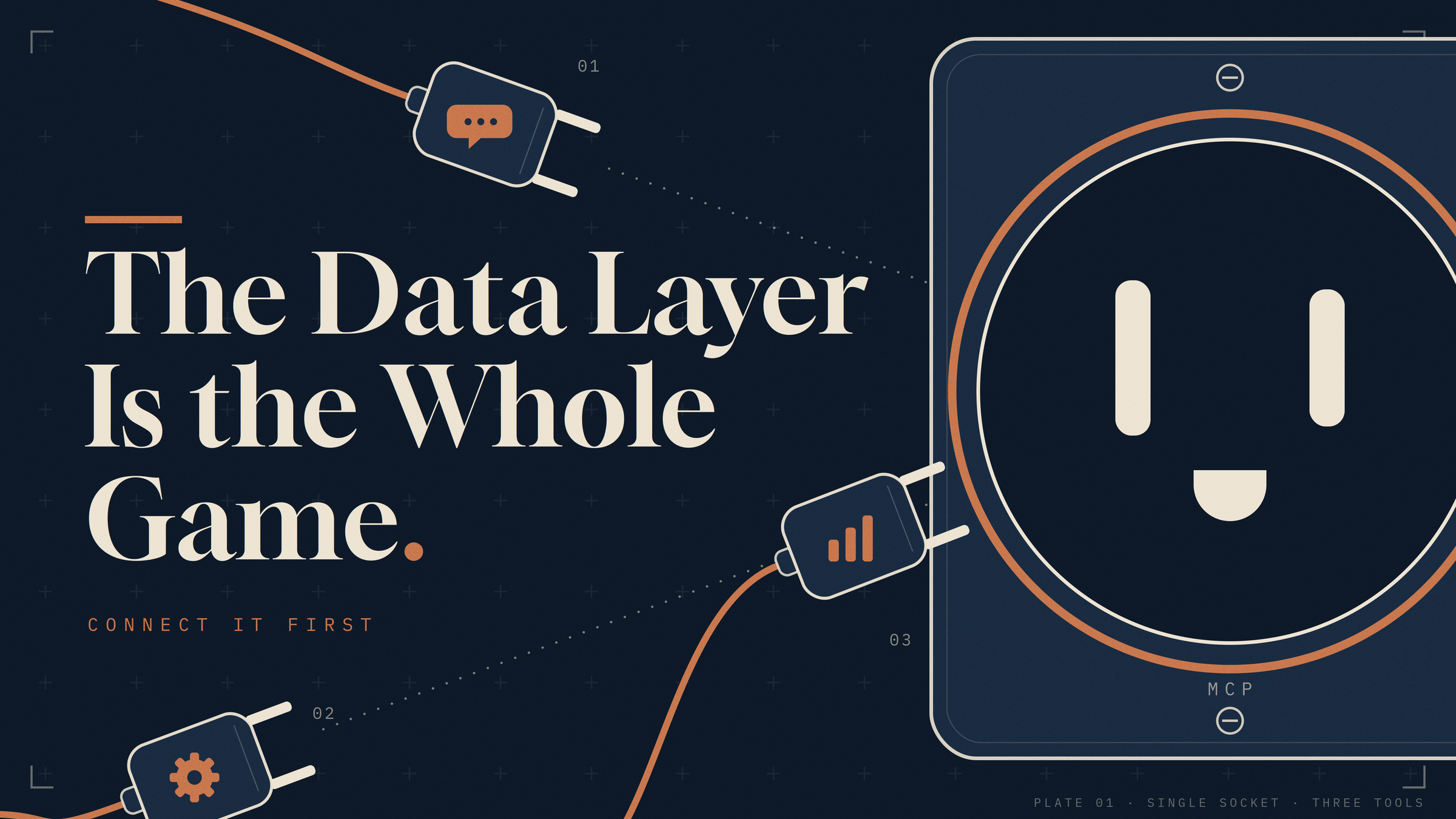
Every business sitting on rich data is one good decision away from making it useful. The decision is to connect it first.
A look into 996 Ventures: Documenting the Obsessed Few
Somewhere around my 40th unanswered email to a VC, I did the math on my own fundraise and didn't like the answer.
Dozens of emails, a handful of replies, and most of my actual traction was coming from the two or three people I already had some connection to , not the forty I was cold-emailing into the void.
Nobody tells you that going in. Everyone says fundraising is hard. What they don't say is that it's hard for a very specific, very fixable reason.
I wasn't losing because the company was bad. I was losing because I was fishing in the wrong pond: cold, at 11pm, exhausted from a full day of building, while somewhere else there was a VC who would've actually wanted what I was building, if only we'd crossed paths.
That's not a rite of passage. That's just a broken connection. And once I saw it clearly in my own raise, I couldn't stop seeing it everywhere.
Here's the two-sided version of the problem.
Founders who are actually building something real. Not something dressed up for a demo day, but something real, at 2am, before there's a clean metric to screenshot. These founders are almost always invisible in the moment that matters most. They don't have the network yet. They haven't been "discovered." They're just heads-down, doing the work.
On the other side, there are VCs whose entire job is finding exactly those founders early: before the deck is polished, before the thesis is obvious to everyone else, before the deal is competitive. But they can't be everywhere. They can't sit in every Discord, sit in on every late-night build session, know every founder grinding in a dorm room or a garage who hasn't figured out how to get on anyone's radar yet.
Both sides want the same thing. They're just missing each other. That gap, the absence of anything connecting them at the right moment, is the whole reason 996 Ventures exists.
It's 9am to 9pm, six days a week. That's not a tagline, it's just the schedule. The one that never makes it onto a job posting but is exactly how the founders we care about actually live.
I'm not romanticizing it. Burnout isn't the goal and it's nothing to celebrate. But it's honest. It's the real cost of trying to move faster than the world around you is paying attention.
And the founders living that schedule deserve to be seen for it, not just to survive it quietly and hope someone eventually notices.
996 does two things, and they're really the same thing from different angles.
First, we connect early-stage founders who are raising capital with the VCs who are a genuine fit for them: same stage, same thesis, same conviction. Not whoever has the strongest network or the biggest inbox. We're not a fund. We don't write the checks ourselves. We do the matching, on both sides, and make the introduction that should've already existed.
Second, we document the part that never makes it into a pitch deck. The architecture decisions made at 3am. The pivot nobody announced. The specific thing that made a founder go all in on this instead of something easier.
A deck shows you the outcome. We show you the work, because the work is where the real story is, and it's what actually earns someone's belief in a founder before the traction slide can do it for them.
I've been the founder on the losing end of a bad match. I know what it costs. Not just money, but time, momentum, belief; to be the right company that simply never got found. 996 is the thing I wish had existed for me back then. So I built it for the people living it right now.
Here's where the name gets a second meaning. Our goal for next year is to raise a $9.96 million Fund I (996, spelled out in dollars this time) so we can stop just making introductions and start directly backing the founders we discover through our own ecosystem.
Every founder we've documented, every match we've made, every person who's shown up in our community grinding through the schedule the name is built on. That's the pipeline.
Fund I is us putting our own capital behind the people we already know deserve it, instead of only pointing other people's capital their way.
It's the same mission, just with more skin in the game.
Bryan Bravo
Co-Founder | 996 Ventures
https://996ventures.com/